What is feudalism is a way to describe medieval relationships built around land, protection, labor, and loyalty. In plain terms, powerful people granted land or rights to others in return for service, while most rural workers supported estates through rent, produce, and labor. It mattered most in parts of Medieval Europe during the Middle Ages, but it never worked exactly the same way everywhere, so you should treat it as a historical model, not a single rulebook.
What Was Feudalism? A Clear Definition
The easiest definition starts with land-for-service relationships. In many medieval regions, a ruler or noble granted a fief, meaning land or income rights, to a lesser noble or fighting man. In return, that person promised loyalty, counsel, and often military support. This is the core idea behind the feudal system, though historians use the label carefully.
The bargain also involved protection. Lords offered defense, legal backing, and access to resources in a violent and politically fragmented world. Vassals pledged service, and peasants worked the land that supported elite households. But here’s the thing: medieval people did not always use one neat legal term for all of this. Textbooks use the model to explain patterns.
Land, Protection, And Loyalty
A fief could support a mounted warrior, a noble household, or a local office. The feudal system depended on promises: a lord granted rights, and the receiver swore loyalty through formal words and rituals. Oaths of Fealty made the relationship serious because betrayal carried moral and political weight. In periods of raids, weak courts, or private warfare, protection mattered as much as land.
Lords, Vassals, Knights, And Peasants
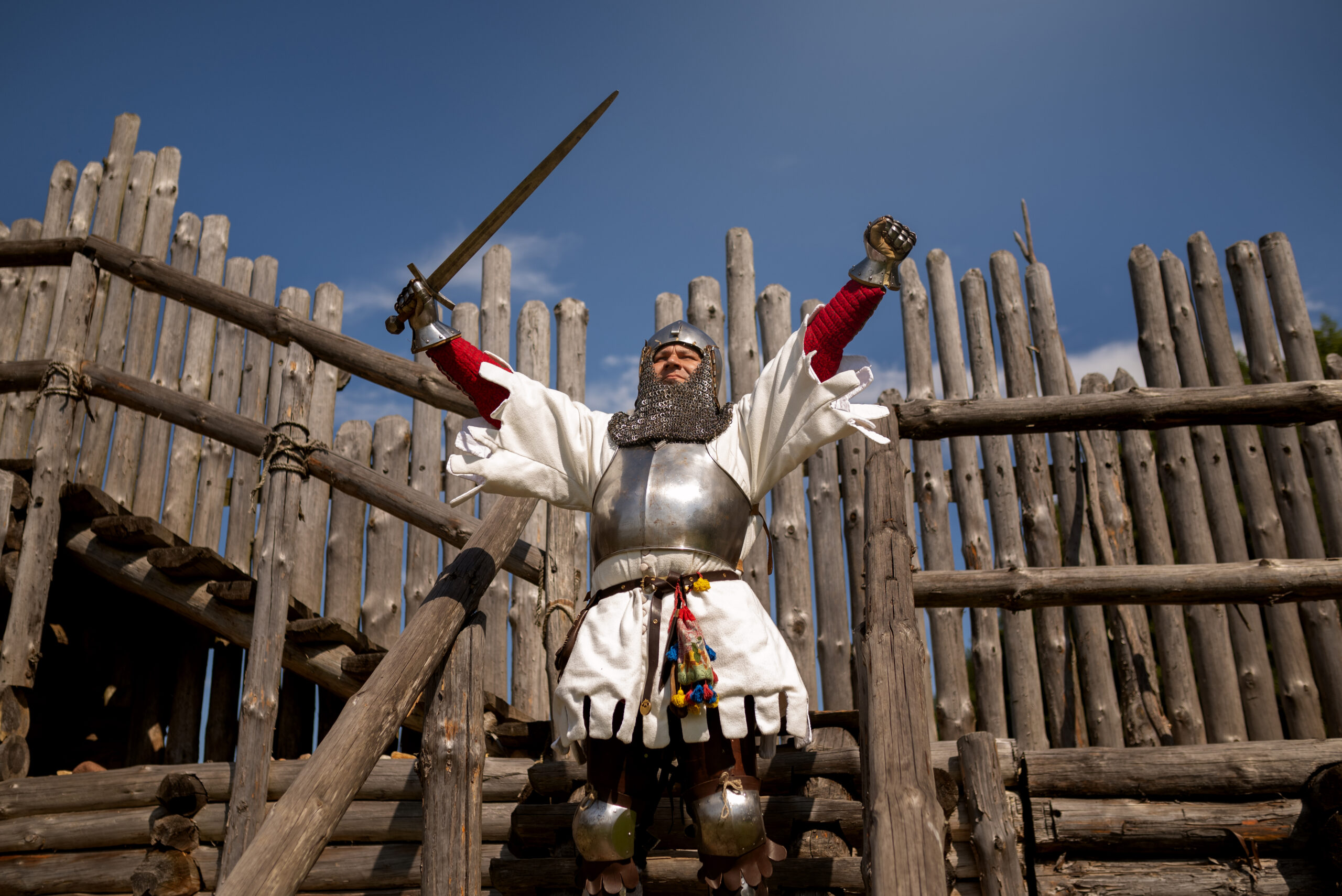
Kings stood at the top in theory, but Lords and the wider Nobility often controlled power locally. Vassals owed support to higher lords, and Knights supplied armed service. Peasants and Serfs produced food, rents, and labor on estates. In feudal europe, the hierarchy looked simple in diagrams, yet real authority depended on local custom, military strength, and who could enforce decisions.
How The Feudal Order Worked In Medieval Europe
The medieval order is often shown as a pyramid: Kings above great lords, great lords above lesser lords and knights, and rural workers near the base. That picture helps, but it can hide the messy reality. In feudal europe, power often moved through personal bonds rather than central offices, especially where monarchs lacked reliable officials.
Land was the key resource because most wealth came from agriculture. A lord who controlled estates could feed soldiers, reward followers, and fund local justice. Peasants depended on access to fields, mills, woods, and pasture. Nobles depended on the same peasants for rents and food. So what does that actually mean for you? Politics and economics were tied together.
Manors And Local Rule
The manor was the everyday center of production and authority. In the feudal system in the middle ages, Manors included fields, peasant holdings, a lord’s land, and often a court where local disputes were heard. The manorial system handled rents, labor duties, grazing rights, and harvest obligations. Grain, animals, tools, and seasonal labor shaped life more directly than distant royal commands.
Vassalage And Military Service
Formal bonds between nobles could begin with Homage, a ceremony in which a man placed himself under a lord’s authority and promised service. In the feudal system in the middle ages, knight service mattered because mounted warriors were expensive to train and equip. A lord expected armed help, counsel, and loyalty, while the dependent noble expected protection and recognition of land rights.
Serfs, Rent, And Labor Obligations
Serfs were not free tenants, but they were not simply enslaved people either. In the feudal system of europe, many were legally tied to an estate and owed labor dues, rent, or produce payments. Serfdom limited movement and marriage choices in some places. Still, rights and burdens varied by region, estate custom, and period, so one description cannot cover every village.
Where The System Appeared Across Europe
France is often treated as a core example because lordship, fiefs, castle power, and noble military obligations became especially important there. After conquest and settlement, Norman England developed stronger royal oversight than many continental areas, even while nobles held land from the king and owed service. The feudal system of europe was never one identical structure.
The Holy Roman Empire shows why regional difference matters. Imperial authority existed, but dukes, bishops, counts, and local lords held major power across many territories. In some regions, church lands played a large role. In others, local noble families dominated. Here’s where it gets interesting: the same vocabulary can describe different balances between royal power, noble privilege, and village obligation.
Regional Differences Historians Debate
If you ask what is feudalism in history, the careful answer includes uncertainty. Legal customs differed between Normandy, England, northern France, German-speaking territories, and other regions. Medieval records often preserve elite disputes better than ordinary life. Modern historians also debate whether the term forces too much order onto scattered practices. Use it as a guide, not a claim that every place matched one model.
The New Medieval Power Reality After Rome
After the western Roman Empire lost authority in parts of Europe, political power became more local and uneven. Roads, tax systems, urban life, and long-distance administration did not disappear everywhere at once, but many regions saw weaker central control. For students asking what is feudalism in history, this post-Roman fragmentation helps explain why local landholders became so important.
Insecurity made protection valuable. Raids, rival nobles, and limited royal reach pushed people toward nearby authorities who could offer walls, armed followers, and judgment. Castles became symbols of local power because they let lords control territory and defend resources. Worth pausing on that for a second: a castle was not just a building. It was a political statement.
Weak Kings And Strong Local Lords
In many areas, feudalism in the middle ages reflected decentralized authority rather than royal absence. Kings still mattered, but they often needed nobles to raise troops, collect support, and enforce decisions. Local lords maintained private armies, presided over courts, and controlled castles. A distant monarch might claim superiority, while a nearby lord decided taxes, disputes, and military threats in practice.
Why The System Declined
The decline was gradual, not a single collapse. Towns grew, trade expanded, and a money economy gave rulers and subjects options beyond land-based obligation. Feudalism in the middle ages weakened as kings hired paid soldiers, built administrative offices, and relied less on nobles providing temporary military service. Merchants and towns also created wealth outside old rural hierarchies.
Legal change mattered too. As royal courts expanded, people sometimes appealed beyond local lords. Taxes paid in money helped monarchs fund armies and officials directly. Over time, stronger kingdoms and later nation-states reduced the practical independence of noble households. But there’s a catch: older dues, titles, and rural obligations could survive long after the political system changed.
Plague, Revolts, And Stronger Monarchies
The Black Death reduced labor supply, which gave many surviving workers more bargaining power and made old labor demands harder to enforce. Peasant Revolts challenged burdens that had once seemed fixed. Monarchs also strengthened taxation and administration, moving toward Centralized Monarchy. These pressures weakened vassalage among elites and strained estate labor systems below them, though the timing differed across Europe.
How Historians Use The Term Today
Historians often use the term with caution because it can suggest a cleaner system than the evidence supports. Medieval records show contracts, customs, land grants, court rights, and obligations, but not always one unified structure. Britannica’s definition and historical discussion reflects that caution by treating the label as both useful and debated.
Classrooms still use the model because it helps students connect land, loyalty, warfare, and rural labor. A simplified pyramid can be a good starting point if you remember its limits. HISTORY’s overview of medieval social relations gives a broad entry point, but careful study asks how each region actually worked.
Legal Versus Social Meanings
The narrow legal meaning focuses on landholding, fiefs, noble obligations, and service between lords and dependents. The broader social meaning includes peasants, manors, serfdom, protection, and rural hierarchy. Those two meanings overlap, but they are not identical. A noble land contract and a peasant’s labor duty belonged to the same world, yet they operated through different rules and expectations.
Related Terms Students Often Confuse
Manorialism refers to the estate-based economic order: fields, rents, labor services, local courts, and production on Manors. It explains how rural life worked day by day. The noble political order explains landholding and loyalty among elites. They connected, but one describes estate management while the other describes power relationships among rulers and fighting classes.
Serfdom describes the restricted legal condition of many rural workers. Serfs usually owed labor, payments, or produce and could be tied to a lord’s estate. Peasants, however, were not all serfs. Some held land more freely, some paid rent, and some had stronger customary rights. Here’s the part most people miss: “peasant” is a broad social label.
Vassalage Versus Monarchy
A monarchy is rule by a king or queen, while lord-vassal bonds describe obligations between elites below or around royal power. Kings could be lords to nobles, but they were not automatically strong rulers. In Norman England, royal authority became unusually organized. In parts of the Holy Roman Empire, local nobles and bishops often held more practical control.
Feudalism: Scope, Context, And Responsible Use
Use the term responsibly by asking three questions: where, when, and whose experience? A knight receiving a fief, a bishop holding territory, a serf owing harvest labor, and a king demanding troops all show related parts of medieval order. They do not prove that every European region followed one identical design.
The safest classroom definition is specific but flexible. It names land, loyalty, protection, labor, and military obligation, then adds regional caution. Medieval Europe included kingdoms, church territories, towns, villages, and imperial lands. A good answer should explain the pattern without flattening France, Norman England, and the Holy Roman Empire into the same case.
Frequently asked questions
Q1: What Was Feudalism?
A1: It was a medieval way of organizing power through land, service, and loyalty, especially among kings, nobles, and fighting men. Lords granted land or rights, while dependents promised support, counsel, or military help. Rural workers supported estates through rent, produce, and labor obligations.
Q2: What Is Feudalism In History?
A2: In history, the term describes a pattern of medieval relationships rather than one universal law code. It helps explain how landholding, protection, warfare, and rural labor connected after central authority weakened in many regions. Historians use it carefully because local customs differed.
Q3: How Did The Feudal Order Work?
A3: The order worked through layered obligations between rulers, nobles, knights, and rural workers. Land supported elites, elites offered protection and military service, and peasants produced food and income. Local courts, castles, and manors made the structure practical in everyday life.
Q4: Who Had The Most Power In A Medieval Hierarchy?
A4: Kings held the highest rank in theory, but local lords often had the most direct power over daily life. They controlled castles, courts, land, and armed followers. A monarch’s strength depended on resources, loyal nobles, and the ability to enforce commands.
Q5: Were Serfs The Same As Slaves?
A5: Serfs were not the same as slaves, though they were not fully free. Many were tied to an estate and owed labor or payments to a lord. Unlike enslaved people, they often had recognized customary rights, family holdings, and legal obligations shaped by local practice.
Q6: Why Did Kings Depend On Nobles And Knights?
A6: Kings depended on nobles and knights because they needed armed support, local enforcement, and political cooperation. Medieval monarchs often lacked large standing armies or modern bureaucracies. Noble households supplied soldiers, controlled territory, and helped turn royal claims into real authority.
- The system tied landholding, protection, labor, and loyalty into one hierarchy.
- Medieval power often worked locally through lords, manors, and castles.
- Vassals owed service to lords, while peasants and serfs supported estates.
- It looked different across France, England, and the Holy Roman Empire.
- Towns, money, plague, revolts, and stronger monarchies weakened the system.
Feudal society was not a single law code used identically everywhere, but a practical way medieval Europeans organized land, protection, labor, and loyalty when central authority was weak. What is feudalism is best answered by starting with the hierarchy: Kings, Lords, Vassals, Knights, Peasants, and Serfs. Then look at how fiefs, manors, military service, and local justice made that hierarchy work. To understand the topic well, you also need the decline story. Trade, towns, the Black Death, Peasant Revolts, and stronger monarchies gradually reduced the power of local noble obligations.